






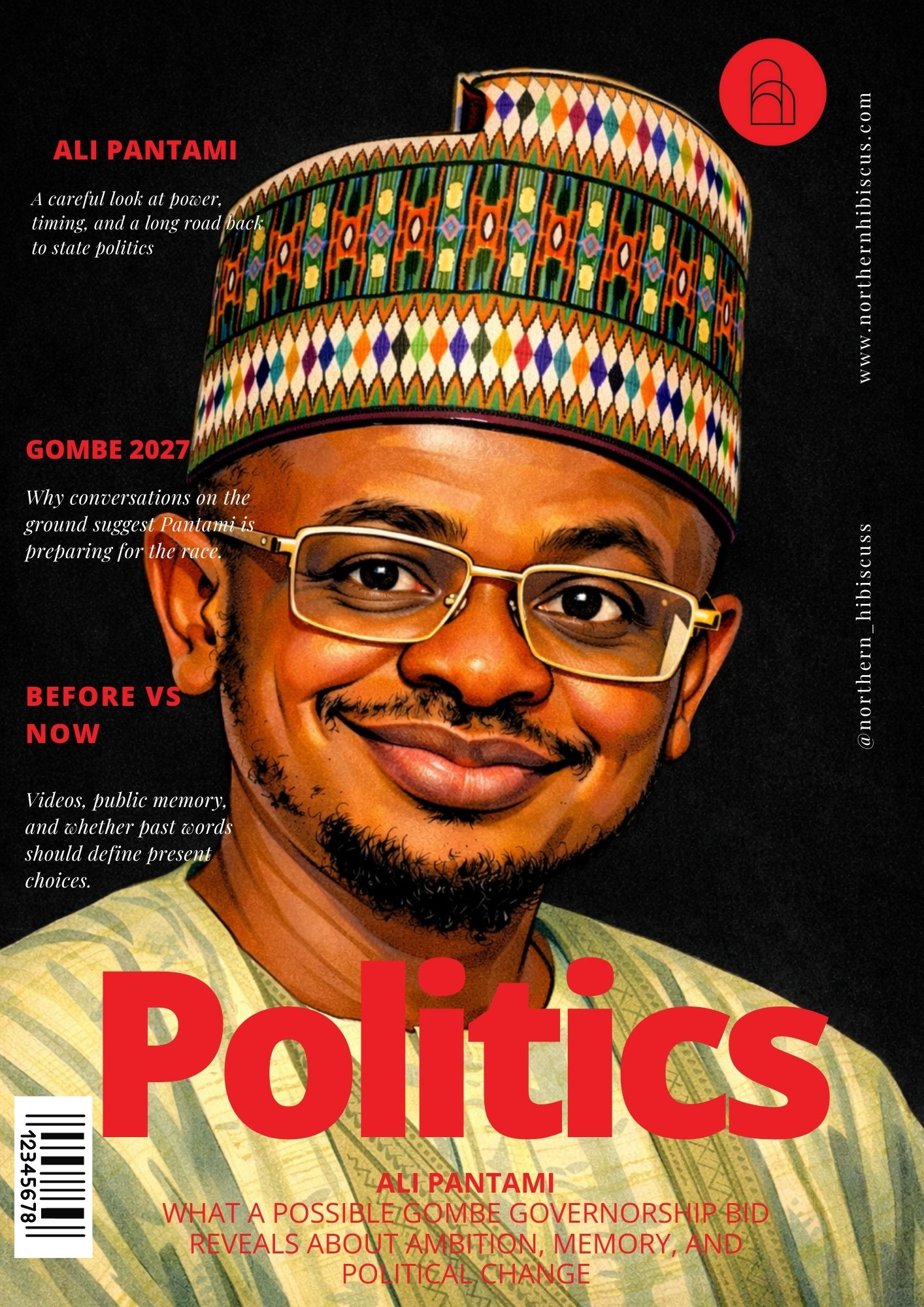
As conversations intensify in Gombe State over the next governorship race, Isa Ali Ibrahim Pantami has emerged as a central figure in a debate that goes beyond electoral ambition and into a broader question of public life: when is a change of mind disqualifying, and when is it simply human?

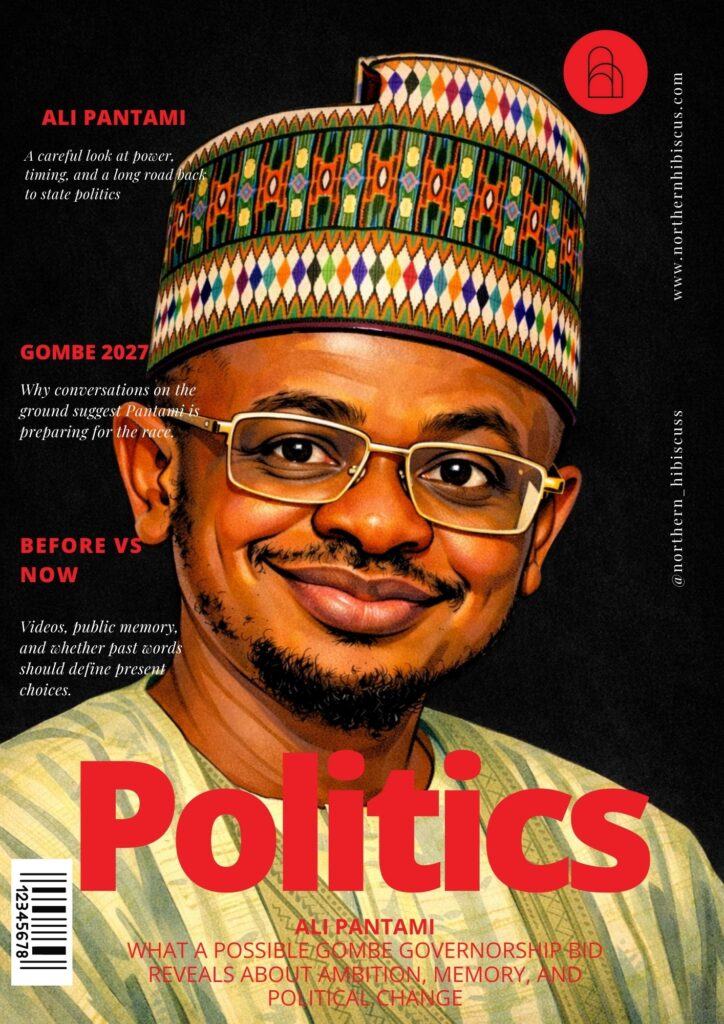
Political actors and community leaders in Gombe say Pantami is preparing to contest the governorship, pointing to his recent engagements with party structures and local stakeholders as evidence that his interest is no longer theoretical. While he has not formally declared, the signals have been strong enough to shift the conversation from speculation to expectation.
Almost simultaneously, old video clips of Pantami have resurfaced online. In them, recorded years ago, he speaks dismissively of politics, describing himself as someone who neither liked it nor intended to participate in it. The contrast between those statements and his current posture has become a focal point of public debate.
In Nigeria’s highly mediated political environment, such juxtapositions are often treated as proof of hypocrisy. But they may also reveal something more ordinary and more complex.
Pantami’s public profile was built largely outside state politics. As a former federal minister, he became known for technocratic reforms and policy work rather than grassroots electoral battles. That background has shaped both the appeal and the skepticism surrounding his possible candidacy. Supporters view him as a figure with national exposure and administrative experience. Critics question whether such credentials can translate into the local alliances and trust that determine electoral success in Gombe.
The resurfaced videos have added another layer. They invite an easy narrative of contradiction, but they also raise a quieter question: should public figures be permanently bound by views expressed at an earlier stage of their lives?
In many democracies, political evolution is expected. Individuals enter public life reluctantly, grow into it, or change their assessment of where they can be most effective. A rejection of politics at one moment does not necessarily preclude a later decision to engage it, particularly when the alternative is continued distance from decisions that shape people’s lives.
What matters, especially now, is not whether Pantami once said he disliked politics. It is whether he can explain what has changed.
For voters in Gombe, the more relevant questions are practical. Why seek office now? What lessons were drawn from time in federal government? How does national experience translate into local governance? And perhaps most importantly, how does one build credibility at home after years spent largely outside state politics?
In the North, there is a long-standing understanding that leadership is not only about ambition but about timing and intention. Elders often say that a person may resist responsibility until responsibility begins to resist them. That sensibility lingers beneath the current debate.
Pantami’s potential entry into the race reflects a broader shift in Northern politics, where younger voters are increasingly attentive to competence and exposure, while still valuing proximity and familiarity. It is a space where technocracy meets tradition, and where rhetoric must eventually give way to structure.
For now, the story is less about old videos than about present clarity. People are allowed to change their minds. They are allowed to reassess their role in public life. What they are not allowed to do is avoid explaining that change.
If Pantami does declare, his challenge will not be defending his past words, but articulating a future that convinces Gombe voters that this turn toward politics is not incidental, but intentional.
That, more than any clip from the past, is the test that lies ahead.