







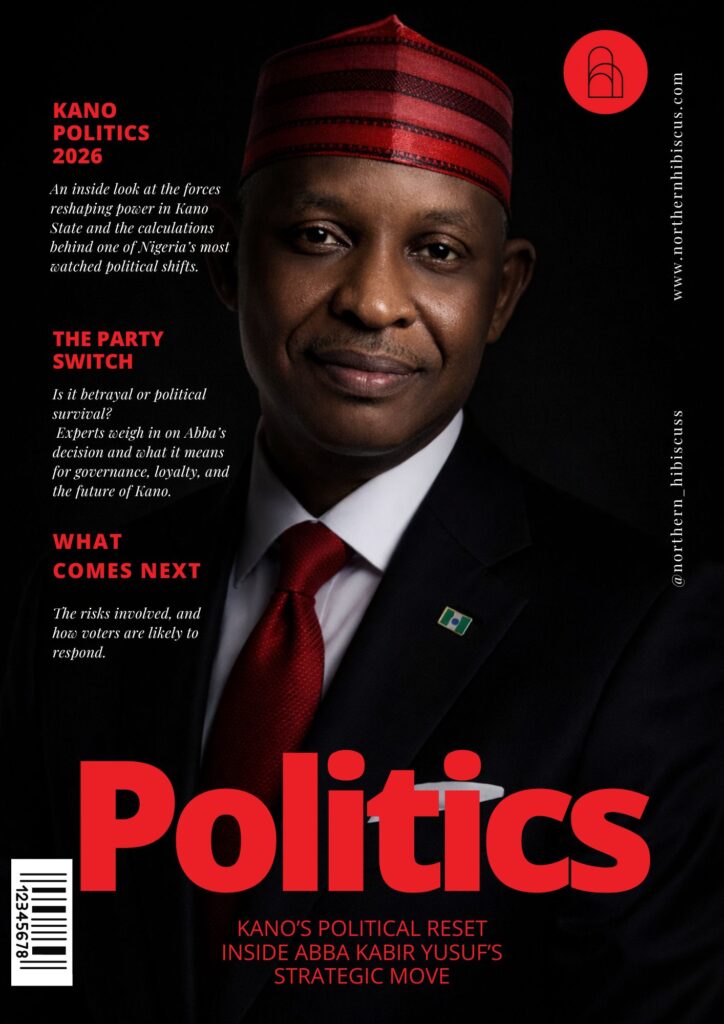
In Nigerian politics, loyalty is often romanticized, but power is rarely won through romance. It is won through structure, timing, and survival. Seen through that lens, the recent party switch was not an act of betrayal. It was a strategic necessity shaped by the realities of Nigeria’s political system.
Political decisions are frequently judged through emotion and allegiance, yet elections are not sentimental exercises. They are institutional processes governed by party machinery, legal frameworks, and judicial interpretation. To ignore this reality is to misunderstand how power is secured and sustained in Nigeria.
The truth many are uncomfortable admitting is this: the New Nigeria Peoples Party is no longer a stable political vehicle. Persistent internal fractures, competing factions, and unresolved leadership disputes have weakened the party’s cohesion. What once appeared as a promising alternative has increasingly become a platform weighed down by uncertainty and litigation.
For a sitting governor, this kind of instability is not merely inconvenient. It is dangerous.
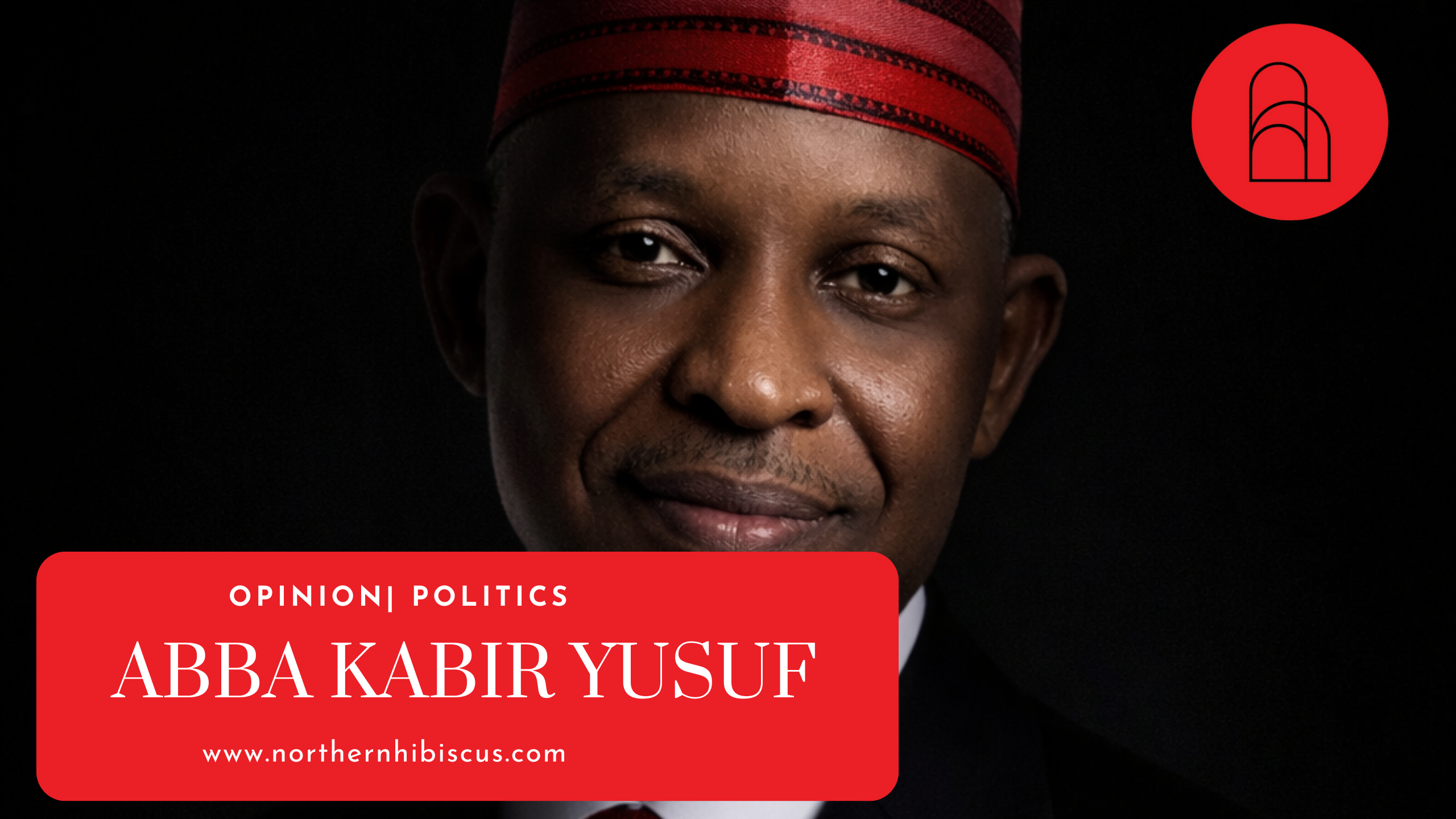
Abba Kabir Yusuf enjoys genuine grassroots popularity, the kind that transcends party symbols and slogans. His support base in Kano is real and deeply rooted. However, Nigeria’s electoral system does not reward popularity alone. It rewards legal clarity, institutional backing, and internal party cohesion. A candidate may win the hearts of voters and still lose power through procedural failure or prolonged court battles.
This is where sentiment collides with political reality. People may vote “Abba, not party” in conviction, but the law does not recognize sentiment. Elections are not won on the streets alone. They are also won in courtrooms. History has repeatedly shown that disputed primaries, parallel congresses, and contested party leadership structures create openings for legal challenges that can overturn even the clearest electoral victories.
Had Abba remained within the NNPP, the risks ahead were evident. Party primaries could be challenged. Candidate legitimacy could be questioned. Rival factions could exploit internal contradictions to stall the process in court. Even a successful election outcome might have been followed by months or years of litigation, uncertainty, and governance paralysis.
Returning to the APC, therefore, was not an ideological retreat. It was a defensive move designed to reduce risk and secure continuity. In a political environment where incumbency does not guarantee stability, aligning with a party that has clearer structures, stronger institutional recognition, and fewer internal legal battles becomes a rational choice. Sometimes symbolism must be sacrificed to protect the position that matters most.
Critics have framed the decision as a betrayal of Rabiu Musa Kwankwaso, a political leader whose influence in Kano politics is undeniable. Yet this framing oversimplifies a far more complex reality. Political alignment and personal loyalty are not always identical. A sitting governor trapped in post election litigation weakens not only himself but the broader political movement associated with him. Legal paralysis erodes relevance, bargaining power, and long term influence.
From another perspective, securing a second term, regardless of party platform, preserves political capital. Influence retained today can be deployed tomorrow. Influence lost to court rulings is rarely recovered.
The political consequences of the switch are not evenly distributed. The most immediate setback appears to fall on Senator Barau Jibrin, whose gubernatorial ambitions are effectively pushed further into the future. Kano’s succession calculations have shifted, alliances have been reshuffled, and political timelines disrupted. In politics, timing is everything, and this move altered the board.
Beyond individual ambitions, this episode exposes a deeper truth about Nigerian politics. Politics has never been a morality play. It is a system governed by foresight, positioning, and risk management. One wrong move, one miscalculation, and a political career can be derailed by forces that have little to do with public approval and everything to do with institutional weakness.
Seen clearly, this was not a story of betrayal. It was a story of survival.
What comes next is unlikely to be permanent rupture. Nigerian politics is fluid, and political relationships are rarely severed beyond repair. In this case, political disagreement exists alongside family ties, a reality that encourages restraint and leaves room for recalibration rather than open confrontation. Strategic distance today does not rule out convergence tomorrow.
Power has a way of reshaping positions, and mutual interest often outlasts temporary separation.
In Nigerian politics, survival is not sentiment. It is strategy.